

View the full discussion in talk2learn
Download a pdf version of talk2learn highlights: issue 18b (236kb, 1 page)
Download an audio version of issue 18b (1.6Mb, 4 mins)
Subscribe to the podcast to receive future updates automatically
If you are not yet a member of talk2learn, find out more about how to join
In case you missed it… recent highlights from NCSL in Dialogue, talk2learn’s online community for national education debate.
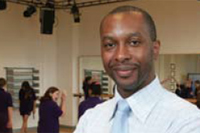
Encouraging more black and ethnic minority candidates into headship and dissuading governors from automatically appointing ‘heroic’ heads were among the issues raised in a talk2learn discussion led by Rosemary Campbell-Stephens, an NCSL consultant on succession planning and diversity.
Viviene Royal, a middle leader in Birmingham, was one of several contributors concerned at the absence of black leaders in education. Schools did not take ambitious black leaders seriously, she felt. "As a black woman wanting to move more into senior leadership, every time I look at schools it is totally white and this does not inspire me because I see it as an uphill struggle – despite being in a multicultural school setting."
Sharan Matharu, head of business at a West Midlands secondary and considering headship, said her senior management team recognised her potential and was supporting her with continuing professional development opportunities but that had not always been the case. "I have worked in schools where a line manager found it difficult to work with me as I did not fit his stereotypical and prehistoric image of a young Asian woman. I sometimes feel that a lack of self-belief holds individuals back as they feel inadequate to other colleagues."
Reema Reid, vice-principal in a London primary school, thought more needed to be done in talent-spotting and building the confidence of black and minority ethnic teachers. "There are many black and minority ethnic teachers who, although as qualified as their white counterparts, feel that they have achieved the ultimate by qualifying as a teacher or by becoming a middle manager."
Another contributor felt more should be done to inspire more women to aim for leadership: "As a woman in a primary school I would be among the majority and yet it looks to me as though, at best, about half of headteachers are male. We don’t do enough to support ‘returners’ to work after family breaks."
Tricia McDonough, a deputy head in Merseyside, said she had unsuccessfully interviewed for headship several times and, while realising that better candidates may have been appointed, said she felt that governing bodies continued to concentrate on finding what she termed ‘heroic’ leaders for inner-city secondary schools. "Philosophically, I disagree with the perception that this is actually the right style of leadership for schools in difficult situations because they need to have sustainability built into their systems."
Graeme Lucas, a recently appointed headteacher in Lancashire, wondered how many white working class boys like him become teachers, deputies and even heads. "I honestly don’t think I’d get a headship in a leafy middle class school but I am seen as a positive role model in thelocal authority housing area which I serve."
Summing up, Rosemary Campbell-Stephens pinpointed a need for more research to identify the barriers at a strategic level which prevent more people from a wider range of backgrounds making it through to leadership. "If our institutions were more rigorous in auditing their procedures to ascertain their impact on different groups, we would be much better at picking up those practices that unwittingly restrict certain individuals or groups progressing and, thereby, add to the succession planning crisis."